Text photography is an art form in blending images and words, to create meaning beyond what mediums could do alone, where text can be overlayed in the photo, on top or on bottom, or present into an emotional narrative. These various formats can really create text photography to be a unique takeaway and present deeper narratives with complex layers.
Text photography started around the 1930's-40's, but it started as literary 'photo-texts', by Wright Morris (1910-1998). He was a significant American author and photographer that was known for pioneering the "photo-text" format, blending with his evocative writing and his evocative photographs together that often focused on the quieter details of the rural Nebraska life an the American vernacular. It can create the following various factors,
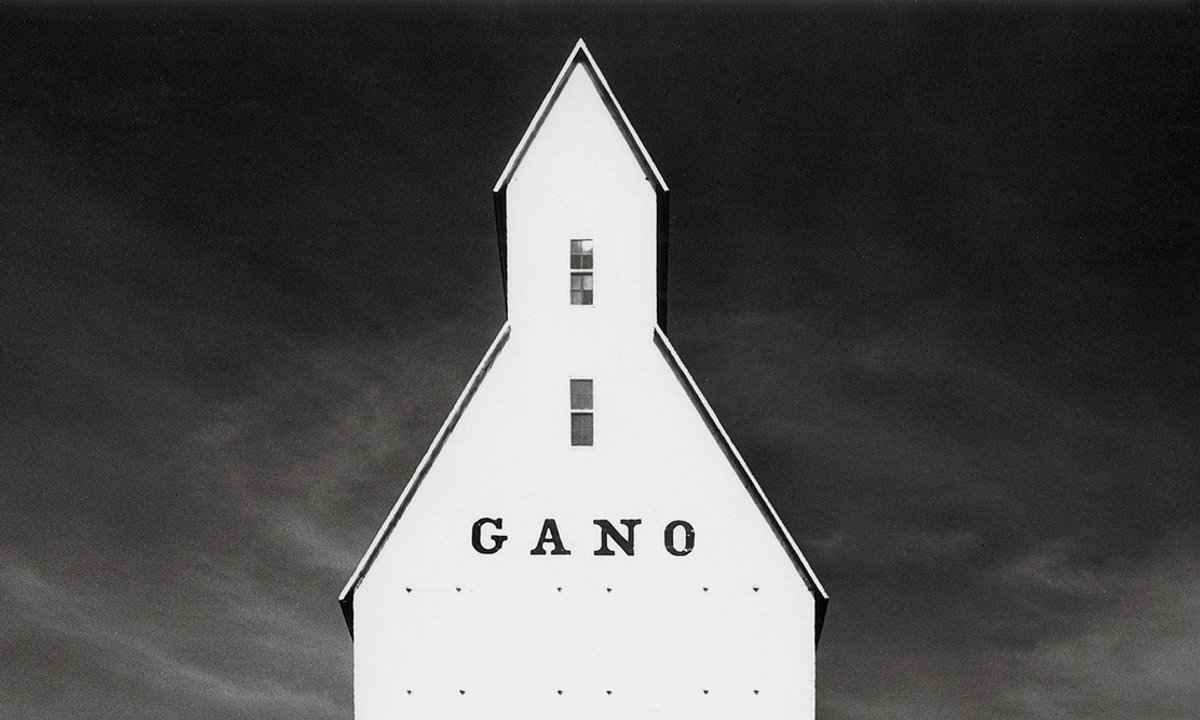
Gano Grain Elevator, Western Kansas1939Gelatin Silver PrintWright Morris
- Hybrid Narratives: it can combine photo and text, creating a multi-dimensional narrative.
- Context and Meaning: it can make the text clarify some open ended questions, alter the interpretation of the image, make the text or the photo subjectively important overall.
- Found Text, utilizing such texts like graffiti, engraved writing on the wall, cracks, etc.
- Added Text, adding text to existing photographs or materials.
- Photo Texts as Books, cohesive projects where text and photos are given equal importance.
- Artistic Techniques, adding drawing, adding drawn texts, exploring identity, memory, society.
Examples of Photographers/Artists,
Laszlo Moholy-Nagy: Coined "Typophoto" for a duality in text and photography on modern designs.
Lorna Simpson: Explores African American women's experiences with photo text installations and paintings combined.
Jacob Riis & Walker Evans: Documenting social conditions, using text to heighten impact of their images. Jacob Riis documented a lot of poverty that happened in New York City during the 19th century making the lives and living conditions of the working poor as widely visible as possible.
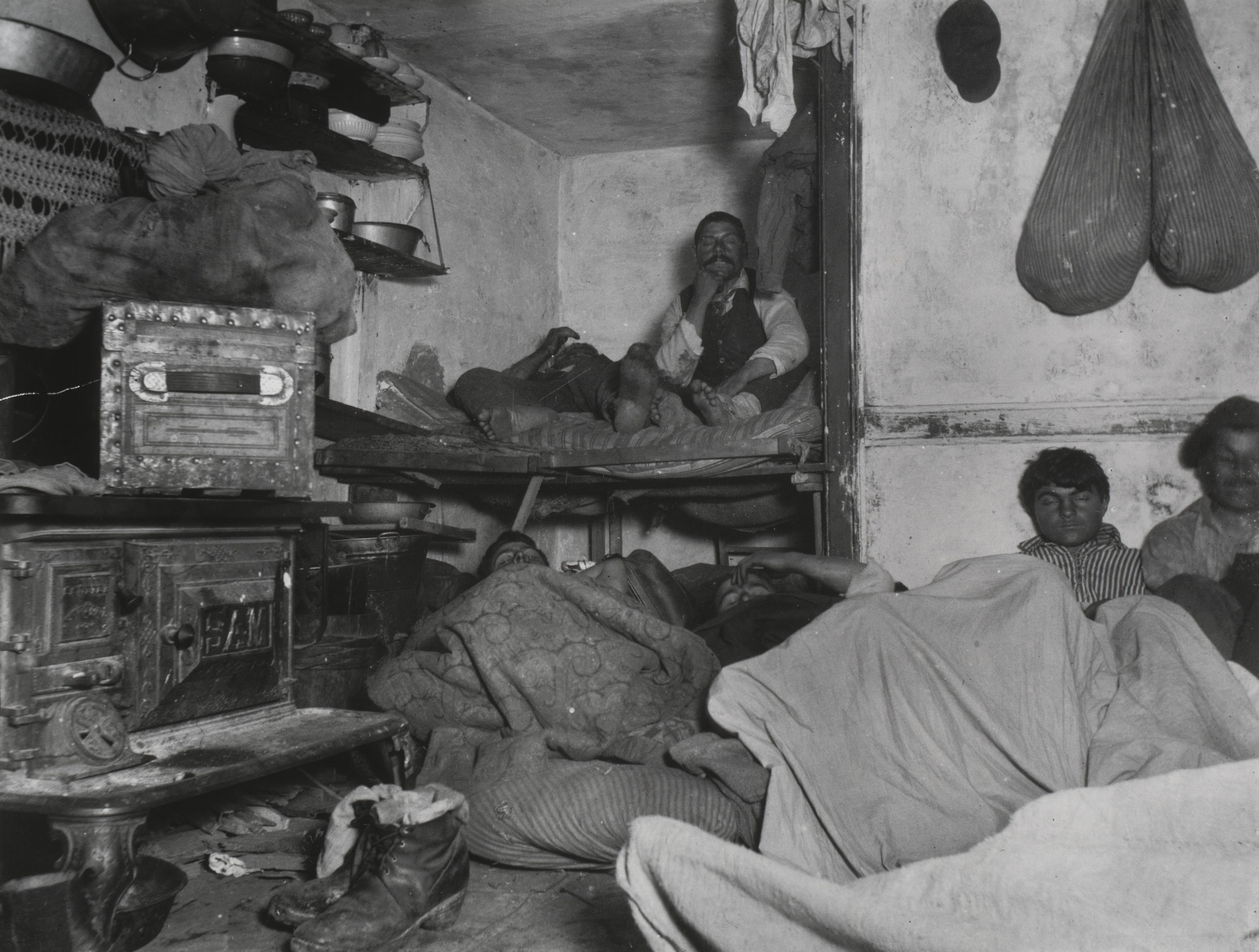
Lodgers in Bayard Street Tenement, Five Cents a Spot1889Gelatin Silver Print, printed in 1957


No comments:
Post a Comment